
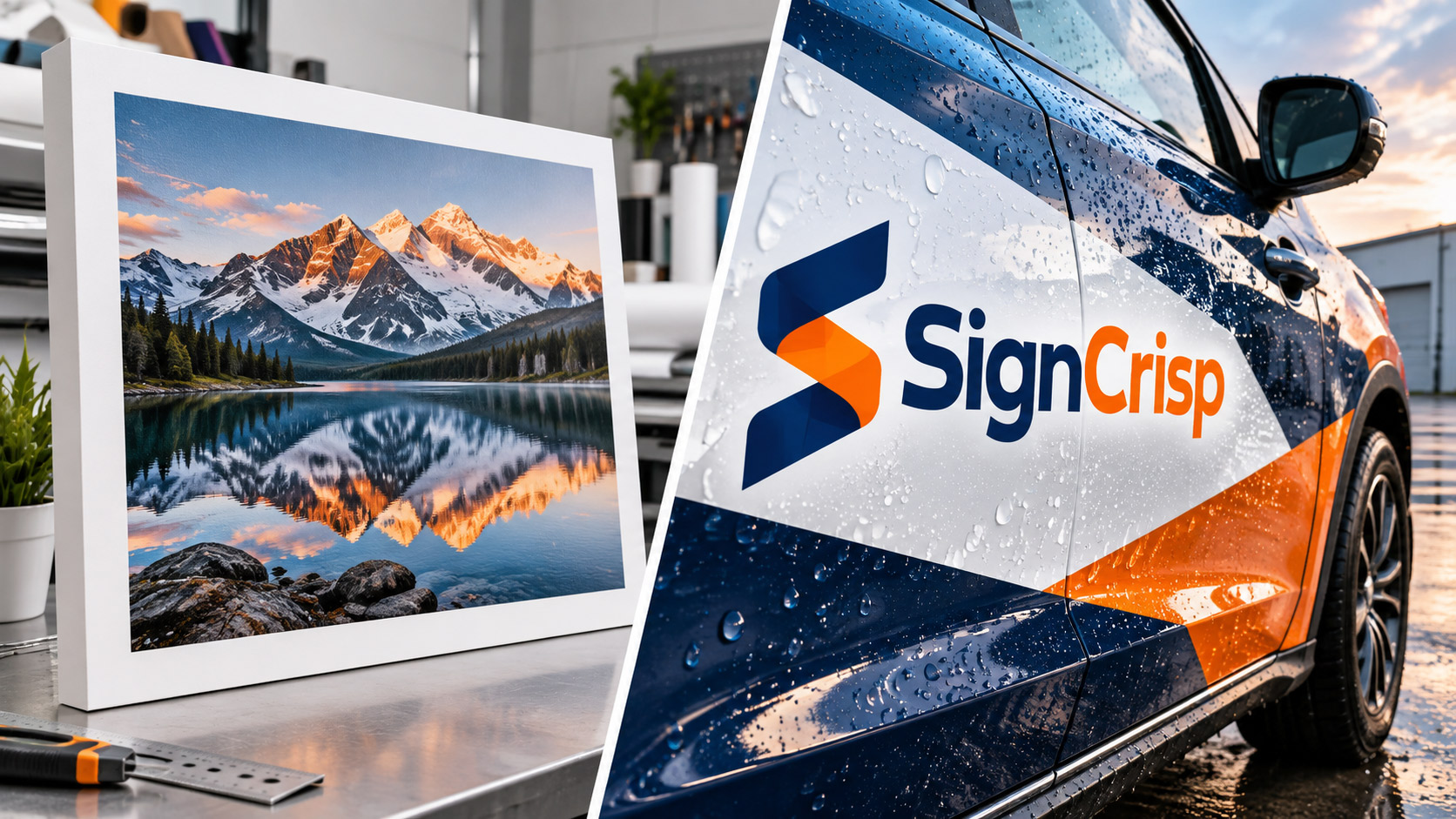
When comparing indoor vs outdoor printable vinyl, the right choice depends on the display environment, viewing distance, surface shape, ink system, and expected service life. Indoor graphics are usually optimized for clean detail, low odor, and short- or medium-term display. Vehicle decals and vehicle graphics require stronger adhesion, weather resistance, conformability, and surface protection.
Using the wrong material can lead to fading, cracking, lifting edges, bubbling, or difficult removal. This guide explains the main differences between indoor and outdoor printable vinyl so you can choose the right film, ink, adhesive, and laminate for your project.
Indoor Graphics: Materials and Best Uses
Indoor graphics are designed for controlled environments such as retail stores, offices, exhibitions, galleries, schools, restaurants, and event spaces.
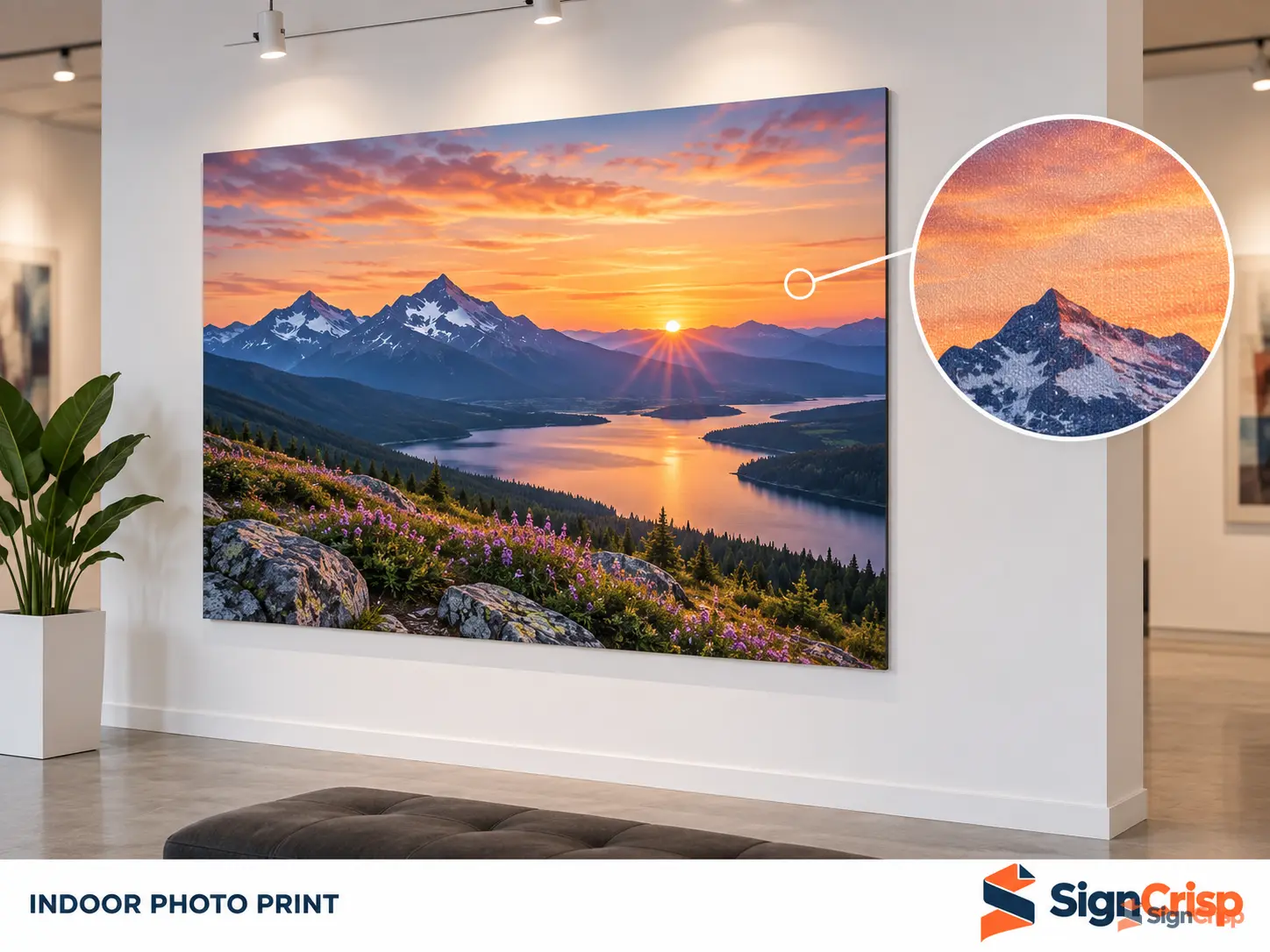
Common indoor materials include:
- Printable PP or PET films
- Short-term adhesive vinyl
- Synthetic paper
- Photo paper and poster media
- Low-odor latex or aqueous-compatible films
Indoor graphics usually prioritize close-range image quality. Fine text, gradients, skin tones, and photographic details can appear very smooth when viewed from a short distance.
Typical indoor applications include:
- Wall and window graphics
- Retail and event signage
- Exhibition panels
- Promotional posters
- Backlit or display graphics
- Temporary directional signs
- Interior branding installations
Indoor materials are generally intended for flat or lightly curved surfaces. They should not be assumed to withstand rain, prolonged sunlight, car washing, road chemicals, or repeated temperature changes.
Outdoor Vehicle Graphics: What Changes?
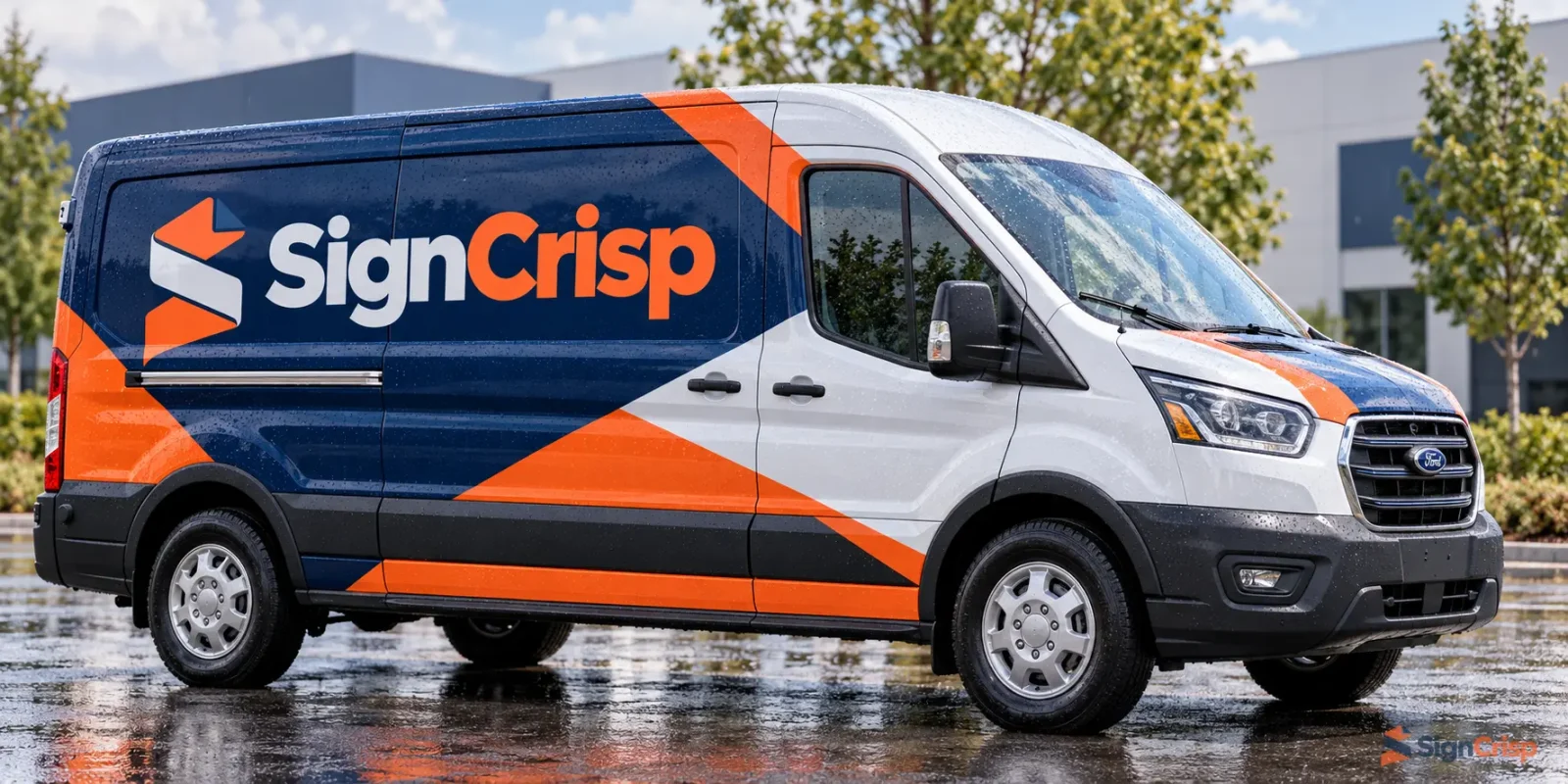
Outdoor vehicle graphics must handle a much more demanding environment. A vehicle surface is exposed to:
- Direct sunlight and ultraviolet radiation
- Rain, snow, dust, and road spray
- Car washing and cleaning chemicals
- Heat and cold cycles
- Wind and mechanical stress
- Curves, recesses, seams, and body lines
For these applications, printable PVC films are commonly paired with solvent, eco-solvent, UV, or latex printing systems. The correct combination of film, ink, adhesive, installation technique, and overlaminate is more important than any single component.
Vehicle graphics also need to conform to complex surfaces. A material that works well on a flat wall may shrink, lift, or wrinkle when installed around bumpers, wheel arches, door recesses, or compound curves.
Cast Vinyl vs. Calendered Vinyl
Cast and calendered vinyl are both PVC films, but they are manufactured differently and perform differently in demanding applications.
| Feature | Cast Vinyl | Calendered Vinyl |
| Manufacturing | Liquid coating cast into a thin film | PVC heated and rolled through rollers |
| Conformability | Excellent for complex curves | Better for flat or moderately curved surfaces |
| Dimensional stability | Low shrinkage when properly installed | More likely to shrink over time |
| Typical thickness | Usually thinner and more flexible | Usually thicker and more economical |
| Best applications | Full vehicle wraps, deep recesses, complex body panels | Flat signs, trailers, windows, short- to medium-term graphics |
| Cost | Generally higher | Generally lower |
Cast vs. calendered vinyl should be chosen according to the surface and expected service conditions. Cast vinyl is normally the safer choice for complex vehicle contours and long-term vehicle graphics. Calendered vinyl can be a practical option for flat panels, temporary campaigns, trailers, and simpler installations.
The final result still depends on the product grade, adhesive, installation quality, curing conditions, and maintenance.
Vehicle Decal Adhesives and Removal
Vehicle decals typically use pressure-sensitive adhesive systems. The right adhesive should provide reliable bonding without creating unnecessary removal problems.
Important adhesive features include:
- Initial tack that allows positioning and adjustment
- Strong final adhesion after application
- Air-release channels for easier installation
- Compatibility with automotive paint and clear coat
- Removability appropriate for the intended service period
Air-release vinyl includes microchannels in the adhesive layer. These channels allow trapped air to escape during dry application, reducing bubbles and installation time.
Removable adhesive does not guarantee effortless removal in every situation. Removal performance can be affected by:
- The age and condition of the vehicle paint
- Previous repainting or clear-coat damage
- Exposure to heat and ultraviolet light
- Length of time installed
- Installation and removal temperature
- Cleaning chemicals and maintenance history
Before applying vehicle decals, the surface should be clean, dry, smooth, and free from wax, grease, silicone, and loose paint.
Do Vehicle Decals Need Lamination?
Lamination is not required for every indoor graphic, but it is often recommended for outdoor vehicle graphics and high-contact applications.
A compatible overlaminate can help protect printed graphics from:
- Ultraviolet exposure
- Scratches and abrasion
- Water and road spray
- Cleaning chemicals
- Frequent handling
- Premature surface wear
For vehicle decals, choose an exterior-rated laminate that is compatible with the printed film and ink system. The print should also be sufficiently cured before lamination. Using an indoor laminate outdoors can lead to yellowing, cracking, shrinkage, or premature failure.
Textured or twill laminates are designed for high-wear applications such as floor graphics, industrial walkways, and anti-slip surfaces. They are usually thicker and less flexible than standard vehicle overlaminates, so they are not suitable for deep recesses or complex vehicle curves.
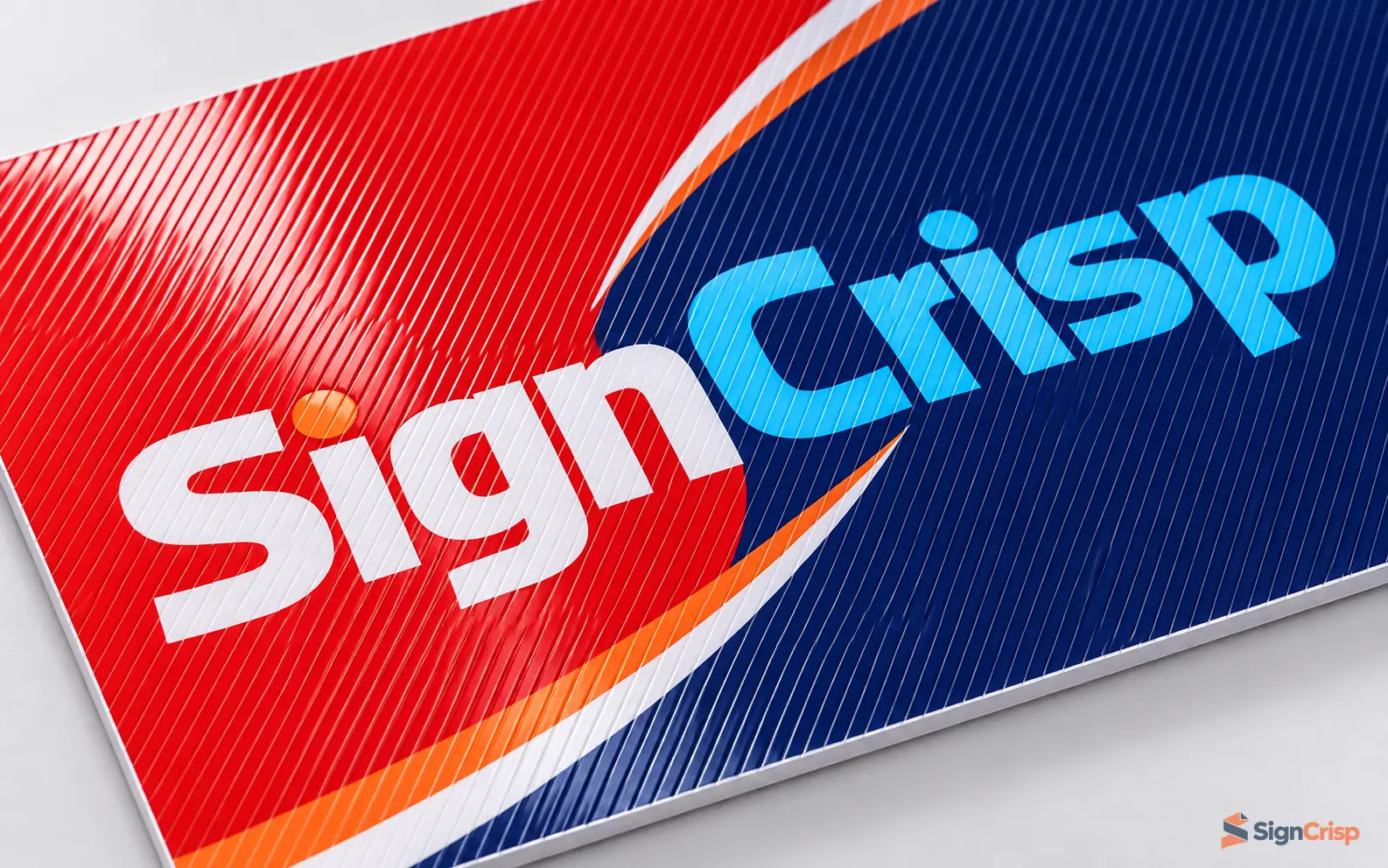
Gloss vs. Matte Vinyl
The surface finish affects both appearance and usability.
Gloss Finish
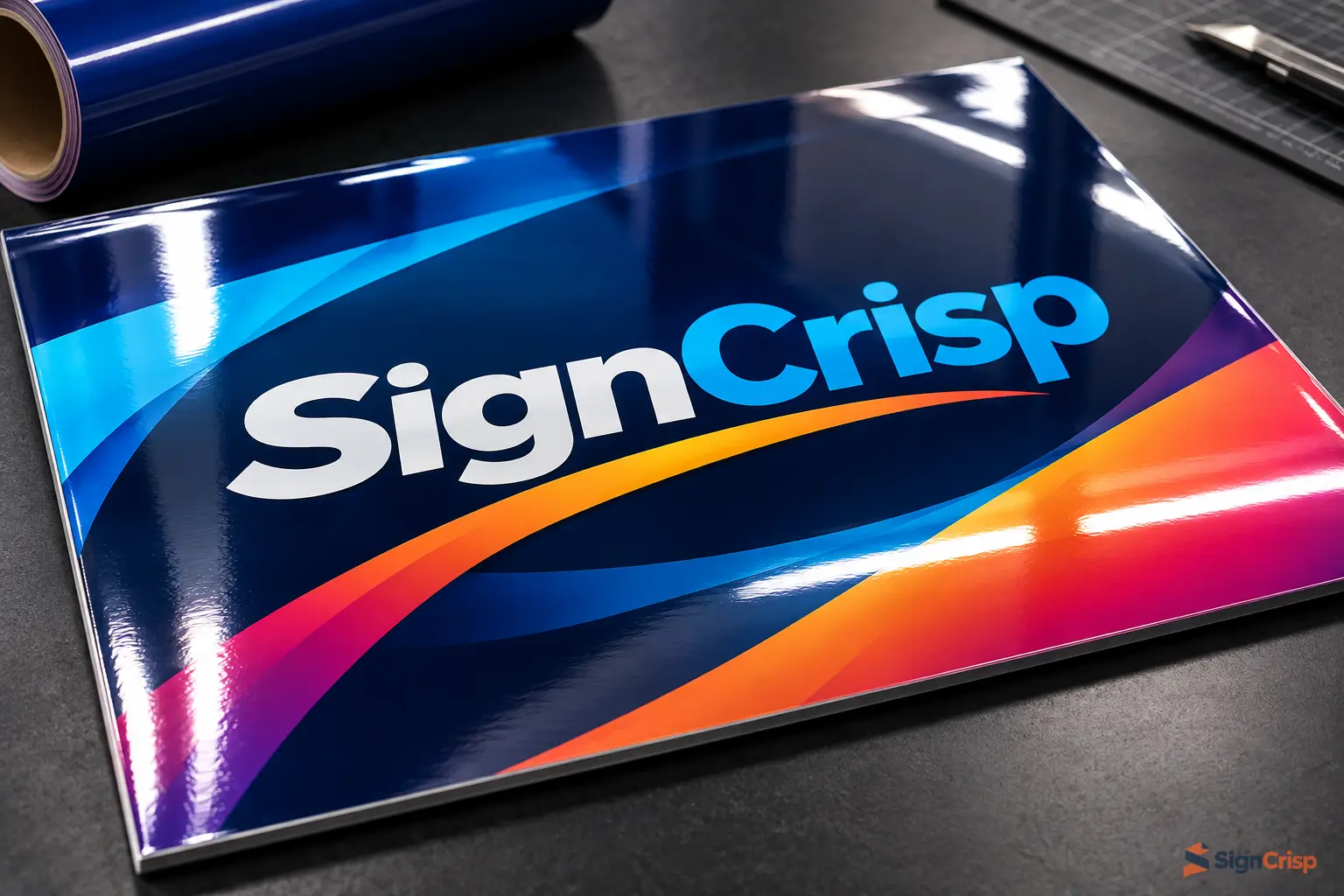
Gloss laminate provides a smooth, reflective surface that can enhance:
- Color saturation
- Contrast
- Image clarity
- Perceived depth
- Compatibility with glossy vehicle paint
Gloss is often used for standard vehicle decals, promotional graphics, food photography, product images, and colorful branding. Its main limitation is glare. Strong sunlight, showroom lighting, or overhead fixtures can make small text harder to read from certain angles.
Matte Finish
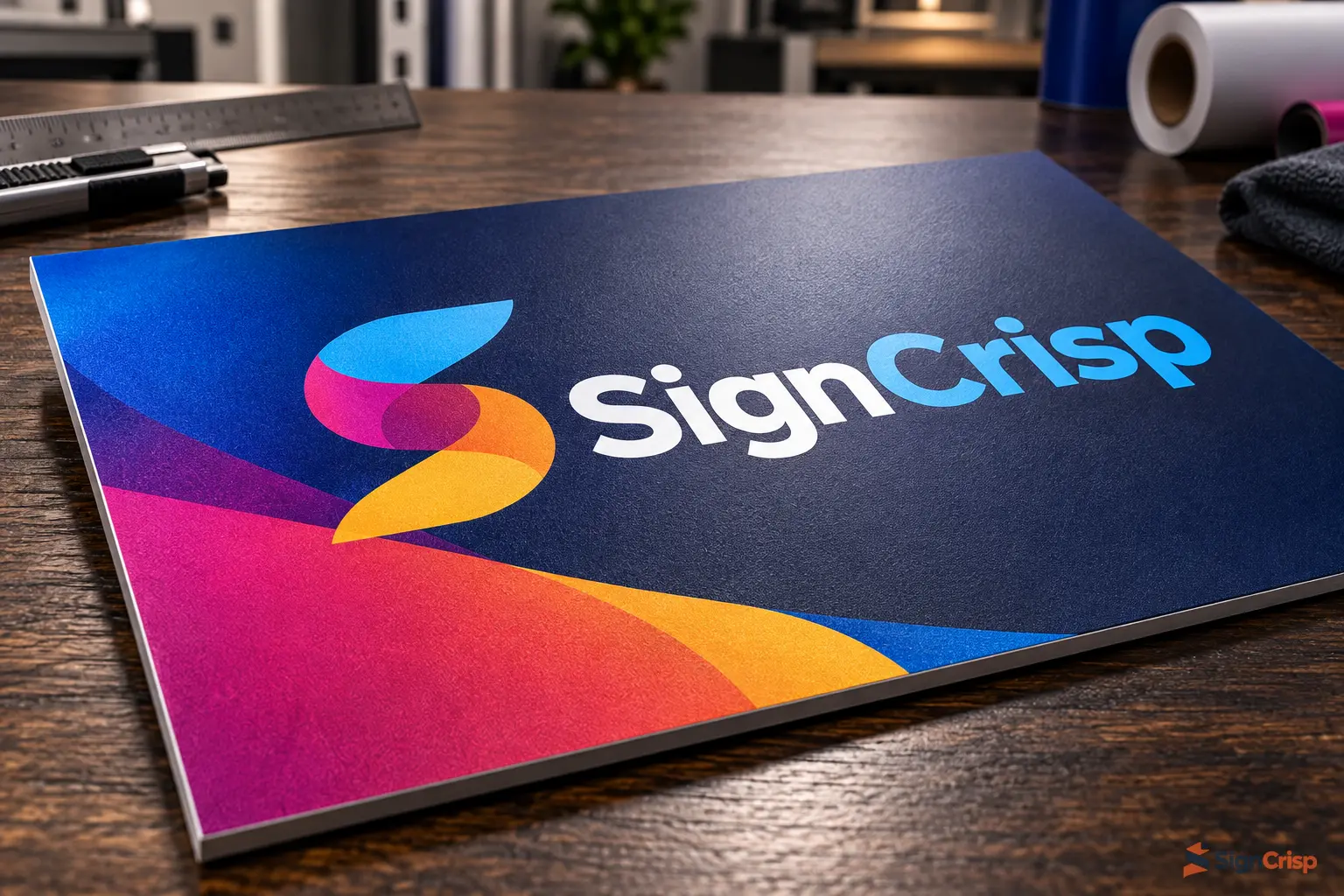
Matte laminate creates a softer, low-reflection appearance. It can be useful for:
- Indoor graphics under strong lighting
- Exhibition walls
- Office and retail signage
- Directional graphics with small text
- Premium or understated vehicle designs
Matte surfaces reduce glare and fingerprints, but dark colors may appear slightly less saturated than they would under a gloss finish. The best choice depends on where the graphic will be viewed, how much light reaches the surface, and whether color intensity or readability is the priority.
How to Choose the Right Printable Vinyl
Use the following decision process:
- Check the environment. Choose indoor media for controlled interior spaces. Choose outdoor-rated media for sunlight, rain, temperature changes, or vehicle use.
- Check the surface. Flat walls and panels may work with indoor films or calendered vinyl. Complex vehicle curves usually require cast vinyl.
- Check the service period. Temporary campaigns may not need the same material as long-term vehicle graphics.
- Check the ink and film combination. Confirm that the printer, ink system, vinyl, and laminate are compatible.
- Check the adhesive. Use air-release and removable adhesive systems when installation adjustment and future removal matter.
- Choose the finish. Select gloss for color intensity and a paint-like appearance. Select matte for lower glare and a softer visual finish.
- Confirm the artwork and installation requirements. The correct material cannot compensate for poor artwork preparation, contaminated surfaces, incorrect curing, or improper installation.
If you are ordering custom vehicle graphics or custom automotive decals, confirm the vehicle surface, installation area, expected service period, laminate type, and removal requirements before production.
Frequently Asked Questions
What is the best vinyl for vehicle decals?
For complex vehicle surfaces, cast vinyl with a compatible air-release adhesive and exterior-rated laminate is usually the most appropriate option. Calendered vinyl may work well for flatter areas and shorter-term applications.
Can indoor vinyl be used outdoors?
Indoor vinyl should not be used outdoors unless the manufacturer specifically rates it for exterior exposure. Indoor films may fade, shrink, crack, or lose adhesion when exposed to sunlight, water, temperature changes, and cleaning chemicals.
What is the difference between cast and calendered vinyl?
Cast vinyl is thinner, more flexible, and better suited to complex curves. Calendered vinyl is generally thicker and more economical, making it suitable for flat surfaces and simpler installations.
Do vehicle decals need lamination?
Vehicle decals often benefit from an exterior-rated laminate because it improves resistance to ultraviolet exposure, abrasion, water, and cleaning. Short-term graphics may have different requirements, so the film and expected service period should be considered.
Is gloss or matte vinyl better for vehicle graphics?
Gloss is usually better when strong color, contrast, and compatibility with glossy paint are priorities. Matte is better when glare reduction and a softer appearance are more important.